
Here’s the basic idea behind a tumble-dry laundry franchise in India: you’re pairing a name customers already recognise with an operating system that’s already been worked out, laundry, dry cleaning, pickup, delivery, the whole loop. You’re not building the playbook from zero. The franchise partner runs the outlet day to day, but leans on the franchisor’s training, technology and brand backing to do it.
The customer side of it is fairly simple, at least on paper. Someone places an order, garments get collected or dropped off, they’re processed the way they need to be, checked for quality, and sent back. What the franchise owner actually manages is everything underneath that, keeping the outlet running to the network’s standards.
Before putting money in, it’s worth looking past the franchise fee. Services, store operations, how you’ll get customers, staffing, the tech stack, the investment itself, and what you’re on the hook for ongoing, all of that needs to be weighed together.
How The Laundry And Dry Cleaning Business Model In India Generates Revenue

At its core, the laundry and dry cleaning business model in India runs on people paying per order for professional garment care. What that order looks like changes a lot depending on the fabric, the garment, and how much care it actually needs.
Regular laundry tends to bring in repeat business, households, working professionals, that sort of steady flow. Dry cleaning pulls in a different crowd, people with suits, sarees, jackets, occasion wear that needs specialised handling. Add a few extra services on top and suddenly one outlet is serving a much wider mix of customers.
For the person actually running the franchise, it comes down to keeping orders flowing in while processing, staffing, rent and delivery costs don’t quietly eat the margin. Profitability, in the end, is just the relationship between what’s coming in and what’s going out.
What Services Can Support The Business Model?
A decent garment-care outlet covers more ground than most people assume. Laundry and dry cleaning are the obvious ones, but shoe cleaning, leather care, curtain cleaning and carpet cleaning all pull in customers who’d never otherwise walk through the door.
It matters because needs aren’t uniform. Someone might send laundry every single week and only need dry cleaning twice a year. Someone else might show up purely for shoes or curtains and nothing else. Stack enough of these services together and the same customer base starts generating more business without you needing to chase a single new lead.
Why Repeat Customers Matter For Franchise Revenue
Clothes get dirty on a schedule, which is really the whole reason laundry lends itself so well to repeat business. It’s less about chasing one-time transactions and more about keeping people coming back.
A working couple might place an order every week. A family might send something in a few times a month. What decides whether they keep coming back usually comes down to consistent quality, easy pickup and delivery, and turnaround times you can actually count on.
Retention deserves just as much attention as acquisition here, arguably more, since a customer you already have costs a lot less to keep than a new one costs to find.
How Average Order Value Can Affect Revenue
Order count tells only half the story. Two outlets can both handle 30 orders a day and land in completely different places financially, one averaging ₹400 per order, the other ₹700. That gap adds up fast.
What the real average ends up being depends on the service mix, the pricing, and how customers in that specific area actually behave. Build projections around real local numbers, not a single figure pulled from a brochure.
How The Tumbledry Dry Cleaning & Laundry Service In India Operates
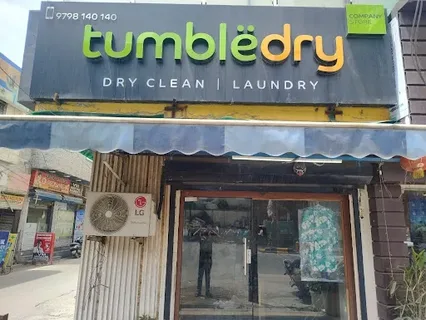
The tumble-dry dry cleaning & laundry service in India model links the physical store to whatever’s convenient for the customer. Orders can come in through the outlet itself or through digital channels, depending on the location and what’s being requested.
Garments come in, get identified for the right treatment, sorted, processed, finished, checked, and packaged. Simple enough on paper. The franchise website lays out support around store setup, equipment, technology, training and marketing, though anyone seriously considering this should confirm the current terms directly rather than working off older material.
From Order Collection To Final Delivery
Every garment goes through several stages before it gets back to the customer, and getting the identification right at the start matters more than people expect since different fabrics need different handling. After processing, there’s finishing and quality control, catching problems before the order goes out the door.
Pickup and delivery add one more layer on top of that. Someone has to coordinate customers, staff, processing timelines and delivery schedules, and none of it runs itself.
Why Standardised Processes Matter
A franchise doesn’t operate like an independent shop, mostly because the franchisee is working within a system that’s already been figured out. Standardised procedures keep things consistent, both in how garments get handled and how customers experience the service.
This is where training earns its keep. Staff need a clear idea of how orders get received, sorted, processed and readied for delivery, and having that spelled out makes it a lot easier to bring new people up to speed when the outlet grows or someone leaves.
How Technology Fits Into Daily Operations
Digital ordering cuts down on the number of people who need to physically show up, and order-management systems let staff track garments and keep customers updated without much extra effort. For the owner, it means orders, pickups, deliveries and customer details all sit in one place instead of being scattered across notebooks and memory.
What Makes A Tumbledry Franchise Opportunity In India Different For Entrepreneurs?
A tumbledry franchise opportunity in India lets someone step into garment care using a structure that already exists, rather than building an operating system from the ground up.
That doesn’t mean the franchisee’s job is light. Selecting and managing the store, supervising staff, keeping service standards up, watching expenses, and building relationships in the local market, all of that still lands on the franchise partner. What exactly the franchisor is responsible for versus what falls on you should be crystal clear before anyone signs anything, and the latest documentation is where that clarity actually lives.
What Support Should A Franchise Partner Look For?
Look at support across the whole business lifecycle, not just the launch. Location selection, store setup, equipment, staff training, marketing, technology, all of it counts. Training matters even more if you’re coming into laundry or dry cleaning without prior experience, since a structured system gets employees ready before customer orders start coming through the door. Marketing help during the launch window is worth asking about too, a new store needs to build awareness in its area, and that rarely happens on its own.
Why Location Selection Matters
Even a strong franchise system can’t fix a bad location. Who lives nearby, how dense the area is, how easy the store is to reach, what rent costs, and who else is competing for the same customers, all of it shapes how the outlet actually performs.
A store near large apartment blocks tends to pick up households needing regular laundry. An area full of offices tends to generate demand for shirts, suits and other workwear. Judge a location on what’s actually happening around it, not just on whether the rent looks cheap.
How Pickup And Delivery Expand Customer Reach
Pickup and delivery stretch an outlet’s reach well past whoever happens to walk in, which matters a lot in residential areas where people would rather not leave the house. That convenience isn’t free, though. Fuel, delivery staff, route planning and coordination all cost something, and they need a real line in the budget.
The trick is balancing that convenience against what it actually costs to deliver, so the whole thing stays commercially sustainable rather than just looking good on paper.
How Tumbledry Franchise Cost In India Should Be Evaluated
Treat the tumbledry franchise cost in India as a full business investment, not just a franchise fee written on a brochure. There’s the store itself, interiors, equipment, working capital, staffing, marketing, and whatever else comes with opening the doors.
The exact number shifts with location, store format and whatever the current commercial terms happen to be, so get the latest official cost breakdown before locking in an investment plan.
Which Initial Expenses Should You Consider?
Start with the one-time costs, franchise charges, interiors, equipment, installation, signage, whatever technology needs setting up on day one. Then there’s the recurring side, rent, salaries, electricity, packaging, maintenance, transport, marketing, the expenses that keep showing up every month after the outlet opens.
Say someone has ₹20 lakh to work with. Spending all of it on the initial setup and leaving nothing for operating expenses is a fairly common way to run into trouble early.
Why Working Capital Is Important
A new outlet rarely hits its expected order volume right away. Building a customer base takes time, and the first few months often come with real operating costs and not much revenue to match. Working capital is what covers that gap. How much you actually need depends on rent, staff numbers, the city, the store format, delivery needs and expected order volume, so it’s worth working out before the entire budget goes into the setup itself.
How To Build A Simple Financial Projection
A basic projection only needs four numbers: expected orders per day, average order value, operating days, and monthly expenses.
As an example, 40 orders a day at an average of ₹500 works out to roughly ₹20,000 in gross sales per day. Over 26 operating days, that’s about ₹5.2 lakh in gross monthly sales before expenses are taken out.
That’s purely illustrative. Actual sales will depend on local demand, pricing, the service mix, how well customers stick around, and how the outlet is actually run.
| Ready to Explore the Franchise Model?Understand the investment, store requirements, support system and operating responsibilities before taking your next step.Get the latest franchise details and start planning your business today. |
Final Thoughts
A franchise-based laundry business is really professional garment care layered on top of a system someone else already built, technology, customer-service processes, the works. But running it is more than just opening the shutters. Location, staffing, getting customers in the door, service quality, delivery, and the numbers all need real planning, not guesswork.
Anyone seriously looking at Tumbledry should get the latest franchise information, understand the full investment picture, and honestly check whether the model fits the market they’re eyeing and the capital they actually have.
Frequently Asked Questions
Q1. How does a laundry franchise business model work?
A franchisee runs a garment-care outlet using the franchisor’s existing systems, brand, training, technology and processes.
Q2. What services can a laundry franchise offer?
Depending on the outlet, that can include laundry, dry cleaning, shoe cleaning, leather care, curtain cleaning and carpet cleaning.
Q3. Is location important for a laundry franchise?
Yes. Residential density, customer profile, accessibility, rent and nearby competition all influence how an outlet performs.
Q4. What costs should I consider before opening a laundry franchise?
Franchise-related charges, interiors, equipment, rent, staffing, marketing, technology, delivery and working capital all belong in the calculation.
Q5. Does a franchise provide training and operational support?
It varies by agreement, so confirm the latest training, setup, technology, marketing and operational support directly before signing anything.